Welcome to Creepy's Barbershop
Step into the heart of 1960s White Bluff, Tennessee, where hair gets cut, shoes get sold, and stories grow taller by the minute. Explore "The Clippings of Creepy's Barbershop," a warm, funny, and gently haunting tale of community, folklore, and unforgettable characters.
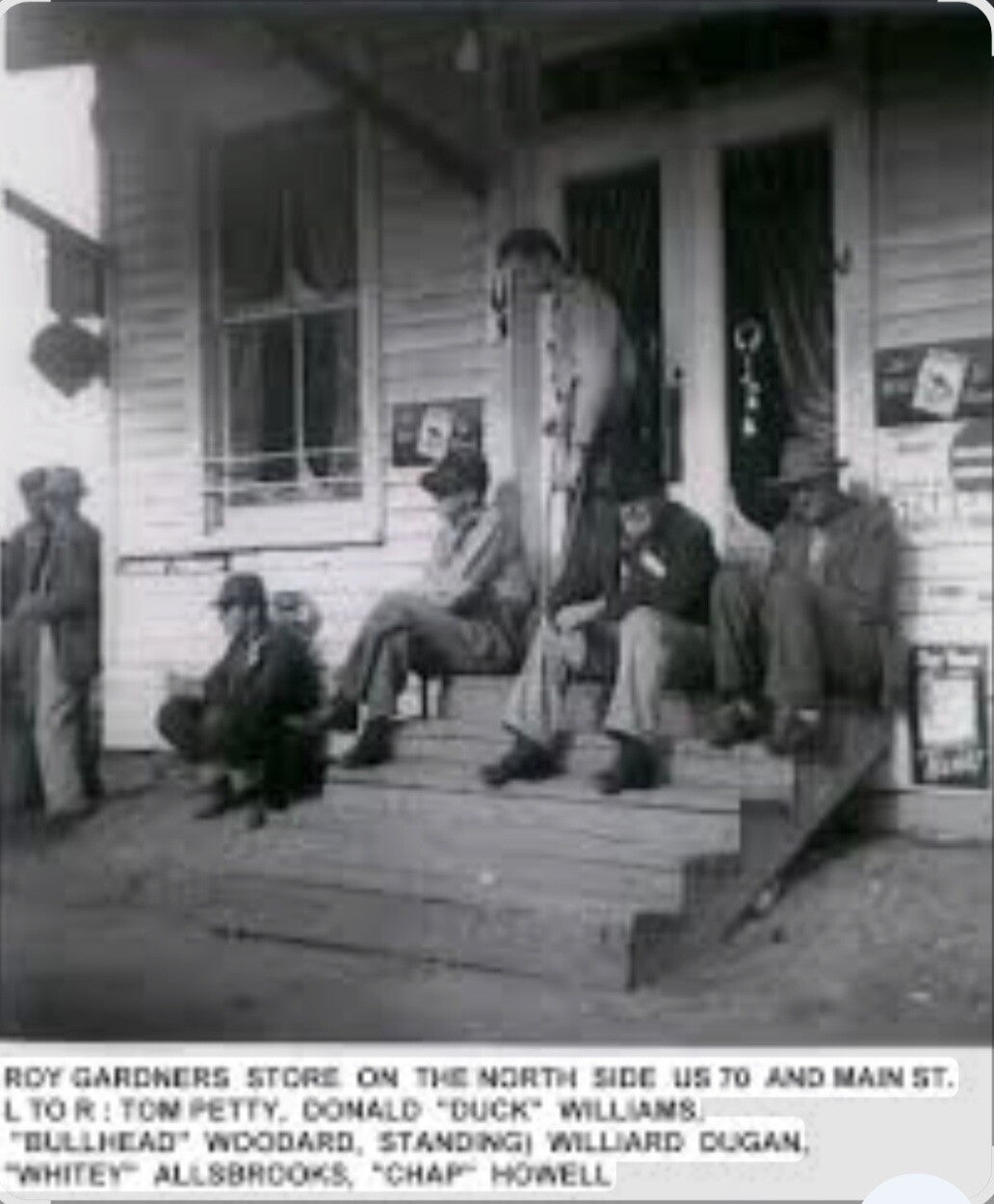
The story unfolds in White Bluff
In 1960s White Bluff, Tennessee, the heart of town beats loudest inside Creepy’s Barbershop — a crooked-floored, cigar-smoked gathering place. When Creepy spins a spooky tale about Montgomery Bell’s ghost to a group of wide-eyed boys, the legend escapes the barbershop chair and tumbles headfirst into church life, moonshine mischief, and a Halloween night nobody will ever forget.
From a punch-spiked fall festival at the Methodist Episcopal Church — complete with off-key choir singing and toe-tapping organ playing — to a prank meant to scare kids straight that ends up frightening the pranksters themselves, this story blends small-town humor with heartfelt nostalgia and just enough mystery to keep you leaning forward.
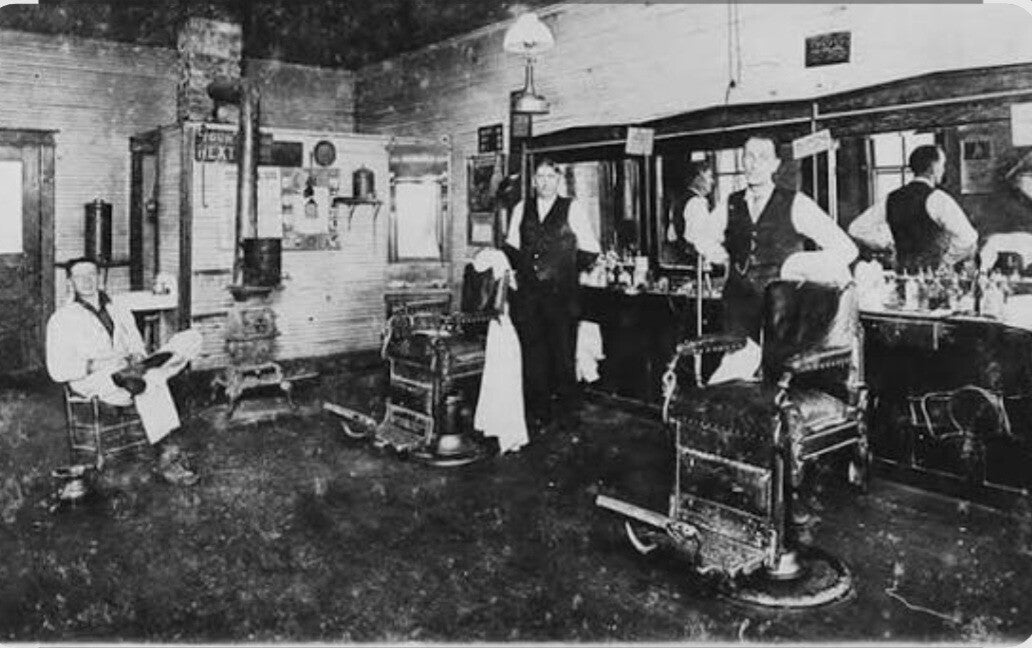
For lovers of small-town tales
This story is for anyone who enjoys stories of small-town living, comedy, and tales from the past. At its core, "The Clippings of Creepy's Barbershop" is a story about community — about the places where people gather, the stories they pass down, and the way memory, laughter, faith, and folklore weave together to shape who we are. Readers will take away a feeling of warmth, amusement, and a gentle connection to a bygone era.
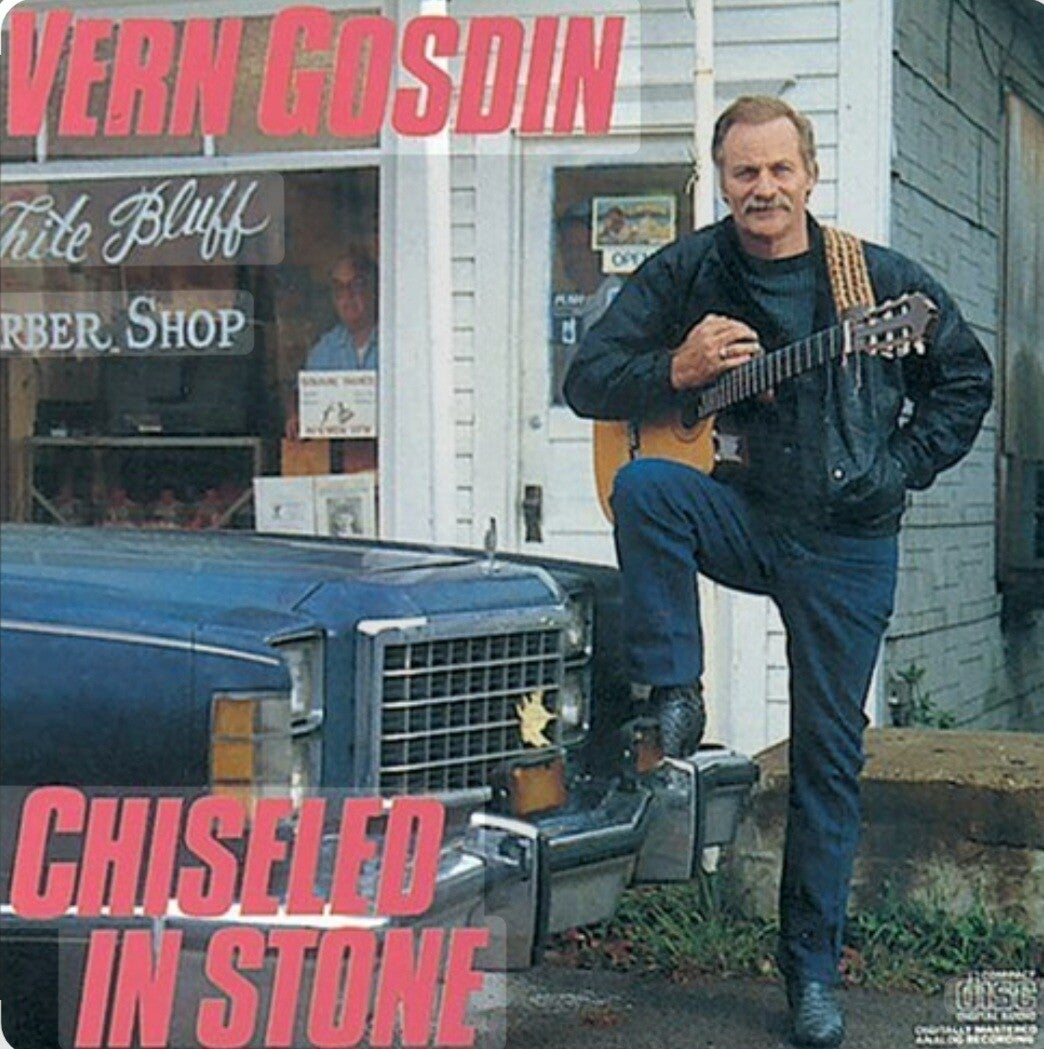
The unique spirit of White Bluff
Creepy's Barbershop isn't just a setting; it captures the spirit and real characters around White Bluff in the 1960s. This tale invites readers to sit a spell, laugh a little, and remember the magic of small-town life — where every barbershop holds a legend, every church potluck holds a surprise, and some stories are meant to be remembered forever. After reading, take time to enjoy what you've just read, and appreciate the stories that shaped a real community – White Bluff, TN, a simple, strange, quirky but loving people.
The Clippings of Creepy’s Barbershop”
White Bluff, Tennessee — 1960
1. Creepy’s Chair
If you wanted news in White Bluff, you didn’t read the paper — you went to Creepy’s Barbershop.
Creepy’s wasn’t so much a business as it was a crossroads. A crossroads of gossip, laughter, lies that grew taller by the week, and truths that usually slipped out after the second cigar or third RC Cola. It sat just off Main Street, a sagging little frame building with a front window that leaned like it had grown tired of standing straight.
The floorboards had settled uneven over the decades, so much so that you could see daylight where the wall met the floor in certain corners. If it rained hard enough, a thin stream of water would creep in and run beneath Creepy’s chair, collecting in a shallow groove worn into the floor by decades of boots and shoes shuffling in and out.
Inside, the air always smelled the same — cigar smoke, hair tonic, shoe polish, and a faint sweetness from the RC Cola icebox humming in the corner like an old hound dreaming in its sleep. On one wall hung a rack of Mason shoes, neatly boxed, and on another sat rows of shoe polish tins in every shade of brown and black known to man. Creepy Stewart sold shoes, shined shoes, and cut hair — and he did all three with a cigar clenched between his teeth.
Maurice Stewart had gotten the nickname “Creepy” back in school, though the man himself swore it was a misunderstanding. He’d played baseball for White Bluff High, a lanky shortstop with a long stride and a way of sneaking around bases when nobody was paying attention.
“He’s creepin’ around them bases,” the announcer once said, and by the next morning, the name had stuck.
Creepy didn’t mind it. In fact, he leaned into it.
He wore suspenders that were always just a little too loose, so they snapped against his back when he bent forward. His overalls had seen better decades, and his white barber’s coat had yellowed at the edges, especially near the pockets where he kept his cigars and combs. His hair, what remained of it, was slicked straight back, and his mustache curled slightly at the ends, giving him the look of a man perpetually amused by something only he could see.
That morning, Creepy stood behind his chair, sharpening his straight razor on a leather strop that had been hanging from a nail since before the war. The rhythmic swish, swish filled the shop, mingling with the faint hum of the RC Cola icebox.
“Creepy,” Elijah Williams said from the chair, already leaning back with his eyes closed, “don’t take off more’n you got to. I’m goin’ to a funeral this afternoon.”
“You goin’ to the funeral or gettin’ buried?” Creepy replied, puffing his cigar and squinting through the smoke. “’Cause I can help with either.”
Elijah chuckled, though his eyes remained shut. Elijah always fell asleep in Creepy’s chair. It was as reliable as the sun rising in the east. The moment Creepy snapped the cape around his neck and began combing his hair, Elijah’s eyelids would droop like heavy shutters, and within minutes, he’d be out cold.
Arthur Bryant sat in one of the mismatched chairs along the wall, flipping through a worn copy of The Tennessean, though he wasn’t really reading it. He was watching Creepy.
Arthur Bryant was a man with a reputation — a reputation earned honestly and often. He was a good worker, a decent family man, and faithful at church… when he could manage to be sober enough to sit upright in the pew.
Saturday nights had a way of getting away from Arthur.
Still, he was well-liked in White Bluff, mostly because he owned his faults as openly as he owned his virtues. If Arthur spilled the communion wine on Sunday morning — and he had, more than once — he’d clean it up with the same hands he used to clap along to the hymns.
Creepy had sent word through Jimmy Hester that Arthur was to bring something by the shop that morning.
Arthur waited until Elijah’s breathing evened out into a soft, steady snore before speaking.
“You sure about this, Creepy?” Arthur asked.
Creepy grinned, cigar bobbing. “Oh, I’m sure. Been plannin’ this one for a month.”
Arthur leaned down beside his chair and pulled out a burlap sack, setting it on the floor beside the barber’s chair.
The sack clunked as it hit the floor.
Creepy peeked inside and nodded approvingly. “Perfect.”
“What in the world y’all got in that sack?” Elijah murmured sleepily, one eye cracking open.
“Corn cobs,” Creepy said matter-of-factly.
Elijah’s eye closed again. “Y’all always up to somethin’…”
And then he was asleep again.
Creepy motioned for Arthur to sit quietly. He combed Elijah’s hair slowly, carefully, letting the minutes pass. Elijah’s head tipped slightly forward, his chin nearly resting on his chest. His breathing deepened.
Arthur watched as Creepy reached down into the sack, pulled out a dried corn cob, and with the stealth of a man sneaking up on a deer, slid it down the side of Elijah’s overalls.
Elijah twitched.
Arthur covered his mouth to keep from laughing.
Another corn cob followed. Then another.
Elijah shifted in the chair, mumbled something unintelligible, and slapped at his side, as if batting away a fly.
Creepy waited.
Then he dropped three more in quick succession.
Elijah’s eyes flew open.
“WHAT IN THE—” he shouted, jumping up so fast the cape flew off his shoulders.
Corn cobs spilled from his overalls like a harvest.
Arthur burst out laughing, slapping his knee. Creepy leaned back against the counter, cigar wagging as he laughed so hard he had to grab the edge of the chair to steady himself.
“Creepy Stewart, you no-good—” Elijah started, then stopped himself and shook his head, a reluctant grin breaking through. “Y’all are somethin’ else.”
“You shouldn’t fall asleep in my chair,” Creepy said. “It’s dangerous.”
Elijah shook his head, still chuckling. “You’re gonna get me in trouble one day.”
Arthur wiped his eyes. “That’s the most exercise I’ve seen you get in ten years, Elijah.”
Elijah scooped up the corn cobs and tossed them back into the sack. “You two are gonna pay for this.”
Creepy leaned forward and patted Elijah’s shoulder. “You’ll get over it. You always do.”
The door creaked open then, and in stepped young Johnny Hester, Jimmy Hester’s grandson, followed by Albert Bryant, Michael Willis, and Buford Nash. They were all about ten or eleven years old, fresh out of school for the afternoon, their hair wild from running and their faces red from the cold autumn air.
Johnny’s eyes went wide when he saw Elijah standing there with corn cobs scattered around his feet.
“What happened?” Johnny asked.
Elijah shook his head. “Don’t ask.”
Creepy grinned. “Boys, you ever heard about Montgomery Bell’s ghost?”
Johnny’s ears perked up. “No, sir.”
Arthur groaned. “Here we go.”
Creepy motioned for the boys to gather around. “Sit down, boys. This one’s a good’un.”
They scrambled onto the bench against the wall, their feet dangling, their eyes fixed on Creepy.
“Now,” Creepy said, leaning back and crossing his arms, “you know where the Indian Mounds are, down at the Narrows of the Harpeth, just past Leatherwood Creek?”
“Yes, sir,” Albert said. “My granddaddy told me about ’em.”
“Well,” Creepy continued, lowering his voice, “just past them mounds, out in the field, there’s a grave. And in that grave lies Montgomery Bell.”
Michael swallowed. “Who’s Montgomery Bell?”
Creepy’s eyes gleamed. “A man who didn’t take kindly to trespassers. Even in death.”
Arthur rolled his eyes. “Creepy, you’re gonna scare them boys half to death.”
Creepy ignored him.
“They say Montgomery Bell still walks that land at night,” Creepy said. “Keeps watch over his property. Tall figure, long coat, hat pulled low. And if he catches you snoopin’ where you don’t belong… well…”
He paused.
The boys leaned forward.
“…you might not make it home.”
Johnny’s eyes widened. “For real?”
“For real as that corn cob down Elijah’s overalls,” Creepy said.
Elijah groaned. “Don’t you bring me into this.”
Creepy leaned forward. “Now, some folks say it’s just a story. But others — folks who’ve been down there at night — they’ll tell you they’ve heard footsteps where nobody was walkin’, seen lights where nobody was carryin’ lanterns, and felt a cold hand brush their shoulder when they were all alone.”
Buford shivered. “I ain’t goin’ down there.”
Albert’s eyes sparkled. “I want to see it.”
Michael looked uncertain. “Maybe we shouldn’t.”
Johnny swallowed. “When did this happen?”
Creepy shrugged. “Been happenin’ for years.”
Arthur stood up. “Boys, don’t listen to Creepy. He’s full of baloney.”
Creepy grinned wider. “Arthur, you were the one who said you saw a shadow move down there last fall.”
Arthur paused. “I… well…”
Elijah raised an eyebrow. “You saw somethin’?”
Arthur hesitated, then shook his head. “Probably just a raccoon.”
Creepy leaned back, satisfied. “Y’all keep your eyes open around Halloween. That’s when he’s most active.”
Johnny looked thoughtful.
And that was all it took.
2. The Church and the Flowers
The Methodist Episcopal Church of White Bluff stood just a few blocks away, its white clapboard siding freshly painted, its steeple rising above the town like a finger pointing heavenward. The stained-glass windows caught the afternoon sun and cast colors across the wooden pews inside — blues, reds, and golds dancing along the floor and walls.
Inside, Ms. Helen Carter and Ms. Arline Bryant moved with purpose, arranging fresh flowers along the altar rail.
“Arline, hand me those chrysanthemums,” Helen said. “No, not those — the yellow ones. The deeper yellow.”
“These?” Arline asked, holding up a bunch.
“Yes, those. They’ll stand out better against the white.”
Arline nodded and passed them over. “You always did have an eye for color.”
Helen smiled. “And you always did have an eye for dust. This place would fall apart without you.”
Arline chuckled. “Don’t let James Brown hear you say that. He’ll start dependin’ on us even more.”
James Brown — mayor of White Bluff and preacher of the Methodist Episcopal Church — stood near the pulpit, shuffling through his sermon notes. He wore a slightly rumpled suit and a tie that had seen better years, and though he tried to keep himself straight-laced on Sundays, the faint scent of last night’s whiskey still lingered around him like a stubborn ghost.
“Ladies,” James said, clearing his throat, “you think we ought to add another hymn to the service this Sunday?”
Helen glanced up. “James, you already got five. Folks’ll fall asleep before you get to the sermon.”
James smiled sheepishly. “Wouldn’t be the first time.”
Arline smirked. “Just make sure Arthur doesn’t spill the communion wine again.”
James sighed. “I talked to him about that.”
“And?” Helen asked.
“And he promised he wouldn’t.”
Helen raised an eyebrow. “That’s what he promised last time.”
James rubbed his forehead. “I do my best.”
Despite his flaws, James Brown was deeply loved in White Bluff. He had a way of speaking that felt personal, like he was talking directly to each person in the pew, calling them by name in his heart. His sermons weren’t polished, but they were heartfelt. He spoke of forgiveness, redemption, and the simple goodness found in everyday life — and he lived those messages as best he could, even when he stumbled.
That afternoon, the church was buzzing with preparations for the annual Fall Festival and Halloween Party, held every year on the weekend before Halloween. It was the highlight of the season — a night of games, costumes, food, music, and community.
Tables were being set up in the fellowship hall for bobbing for apples, cake walks, and sack races. Outside, lanterns were strung along the fence, and hay bales were stacked near the entrance for decoration and seating.
Ms. Bernice, the church organist, practiced a hymn, her fingers moving gracefully across the keys, though she occasionally stopped to scold a stray cat that had wandered into the sanctuary.
“Shoo!” she called. “This is the Lord’s house, not a barn!”
The cat ignored her and curled up under the pew.
In the corner of the fellowship hall, a large punch bowl sat on a table, surrounded by cups and a ladle. It was filled with bright red punch, the recipe passed down through generations of church ladies, and considered sacred by most.
Leroy Jenkins’ grandson — a lanky teenager named Tommy — stood nearby, pretending to help set up chairs, though his eyes kept drifting toward the punch bowl.
Tommy’s granddaddy, Leroy Jenkins, was known throughout White Bluff for two things: his ornery disposition and his moonshine. Leroy lived out near the Harpeth Valley, in a ramshackle house not far from the Indian Mounds, and had been running a still out there longer than most folks could remember.
Tommy had discovered one of his granddaddy’s hidden jars earlier that week, tucked behind a loose board in the smokehouse. Curiosity had gotten the better of him, and now he stood in the fellowship hall, thinking about that jar.
“Tommy,” Helen called, “move those chairs closer together, please.”
“Yes, ma’am,” Tommy replied, but his eyes flicked once more toward the punch bowl.
Outside, Jimmy Hester stood with Arthur Bryant and Smithie Williams, talking near the church steps.
“You hear about Creepy’s latest prank?” Smithie asked, grinning.
Arthur groaned. “Don’t remind me.”
Jimmy laughed. “Elijah looked like he’d seen a ghost.”
Smithie chuckled. “Maybe he did.”
Arthur rolled his eyes. “Don’t start with that Montgomery Bell nonsense.”
Smithie’s smile widened. “You ever been down there at night?”
“No,” Arthur said.
“Then you don’t know.”
Arthur shook his head. “I know better than to go snoopin’ around old graves.”
Smithie leaned back against the railing. “That’s where the treasure is.”
Arthur snorted. “Treasure? What treasure?”
Smithie’s eyes sparkled. “Buried gold. Old coins. Stuff left behind from the early settlers. Folks say Montgomery Bell buried a fortune out there and never told a soul.”
Jimmy raised an eyebrow. “You believe that?”
Smithie shrugged. “I believe there’s more to that land than folks know.”
Arthur shook his head. “Y’all got too much time on your hands.”
Jimmy laughed. “That’s White Bluff for you.”
3. The Fall Festival Begins
By the time Friday evening rolled around, the church was glowing with lantern light and laughter. Families arrived in costumes — little ghosts, witches, cowboys, princesses, and superheroes — their laughter echoing across the church grounds.
The fellowship hall buzzed with activity. Children ran from game to game, their faces sticky with candy and caramel apples. The smell of popcorn, chili, and baked goods filled the air.
Ms. Helen and Ms. Arline stood near the entrance, greeting folks and keeping an eye on everything.
“Looks like a good turnout,” Helen said.
Arline nodded. “Best we’ve had in years.”
James Brown stood near the door, shaking hands and smiling, doing his best to appear sober — and mostly succeeding.
Inside, the punch bowl sat on its table, full and inviting.
Tommy Jenkins lingered nearby, watching for his opportunity.
In the corner of the fellowship hall, Jimmy Hester’s grandson Johnny stood with Albert Bryant, Michael Willis, Buford Nash, and Gladys Lee — Albert’s girlfriend, who had come dressed as a witch, complete with a crooked hat and a broomstick.
Smithie Williams leaned against the wall nearby, sipping punch.
“You boys ever hear about Montgomery Bell’s ghost?” Smithie asked, lowering his voice.
Johnny’s eyes lit up. “Creepy told us about him.”
Smithie nodded. “Creepy don’t know the half of it.”
Albert leaned in. “What do you mean?”
Smithie glanced around, making sure no one was listening. “I heard there’s buried treasure down there near the Narrows. Old gold. Coins. Stuff worth a fortune.”
Michael swallowed. “But the ghost…”
Smithie grinned. “That’s just to keep folks away.”
Gladys’ eyes sparkled. “You think it’s really there?”
Smithie nodded. “I do.”
Johnny looked thoughtful. “We should go look.”
Buford shook his head. “No way.”
Albert shrugged. “I’m in.”
Michael hesitated. “Maybe…”
Gladys smiled. “Count me in.”
Smithie’s grin widened. “Halloween night. That’s when we’ll go.”
Meanwhile, near the punch bowl, Tommy Jenkins made his move.
He waited until Ms. Helen and Ms. Arline were distracted by a group of children, then slipped a small jar from his jacket pocket, popped the lid, and poured a generous amount of moonshine into the punch bowl.
The clear liquid disappeared into the red punch.
Tommy quickly put the jar away and stepped back, trying to look innocent.
Within minutes, folks began dipping their cups into the punch.
At first, nothing seemed out of the ordinary.
Then, Ms. Bernice took a sip.
She paused.
Took another.
Her eyebrows lifted.
“Well, I’ll be…”
She took a larger sip.
James Brown grabbed a cup and drank.
He blinked.
“Well,” he murmured, “that’s… flavorful.”
Arthur Bryant took a cup.
He grinned. “Now this is church punch.”
Ms. Helen took a sip.
Her eyes widened.
Arline took a sip.
Then another.
Then another.
Before long, the mood in the fellowship hall shifted.
Laughter grew louder.
Voices grew bolder.
People who normally sat quietly in the back began singing along loudly to the music.
When the community choir took the stage later that evening, things had fully gone off the rails.
Ms. Bernice sat at the organ, her fingers slipping slightly on the keys. She tried to play the opening chords of “Amazing Grace,” but somehow ended up in the wrong key entirely.
The choir began singing — except they weren’t singing in the same key as the organ.
Or each other.
The soprano section, usually sharp and clear, sounded like a flock of geese.
The tenors were half a beat behind.
The altos were laughing too hard to sing.
Ms. Bernice, determined to keep playing, kicked off her shoes and began pressing the pedals with her toes, trying to adjust for the wrong key.
James Brown stood nearby, clapping off-beat and smiling like a man who had given up on order.
Ms. Helen and Ms. Arline sat side by side, their cheeks flushed, giggling like schoolgirls.
“This is the best punch we’ve ever had,” Helen whispered.
Arline nodded, tears of laughter streaming down her face. “I think I love everyone here.”
Arthur Bryant stumbled past, waving his arms like a conductor. “Sing it like you mean it!”
Meanwhile, the kids watched in awe.
“Are they supposed to be acting like that?” Buford whispered.
Johnny shook his head. “I don’t think so.”
Albert grinned. “This is awesome.”
Gladys laughed. “I’ve never seen Ms. Helen laugh like that.”
Smithie took another sip of punch and leaned in closer to the group. “Now’s the perfect time to talk about treasure.”
Johnny’s eyes sparkled. “Tell us.”
Smithie lowered his voice. “They say Montgomery Bell buried a chest of gold coins somewhere near his grave. Some say it’s cursed. Others say the ghost guards it.”
Michael swallowed. “What happens if you take it?”
Smithie shrugged. “Some folks say you don’t make it back.”
Buford shook his head. “I ain’t goin’.”
Albert shrugged. “I am.”
Gladys nodded eagerly. “Me too.”
Johnny looked thoughtful. “We’ll go next week. Halloween night.”
Smithie smiled. “That’s the spirit.”
Unbeknownst to them, Leroy Jenkins stood just outside the fellowship hall, listening.
Leroy had come to the festival out of obligation more than desire. He didn’t much care for church gatherings, but he did care about his grandson — and he cared even more about folks staying away from his land and his still.
When he heard Smithie talking about treasure and Montgomery Bell’s ghost, a slow grin spread across his weathered face.
“Well,” Leroy muttered, “if they want a ghost, I’ll give ’em one.”
4. Plans and Pranks
The next morning, Creepy’s Barbershop was buzzing.
Arthur Bryant sat in one of the chairs along the wall, sipping an RC Cola. Jimmy Hester leaned against the counter, talking to Creepy, while Elijah Williams sat in the barber’s chair, wide awake this time.
“I’m not fallin’ asleep again,” Elijah said. “Not in this place.”
Creepy chuckled. “Suit yourself.”
Jimmy shook his head. “You heard about the punch at the church last night?”
Arthur nodded. “I heard about the choir.”
Elijah snorted. “I heard Ms. Bernice tried to play the organ with her toes.”
Creepy grinned. “I’d have paid to see that.”
Jimmy laughed. “Leroy’s grandson spiked the punch.”
Arthur shook his head. “That boy’s gonna get himself in trouble.”
Jimmy leaned in. “And you know what else? Smithie’s been tellin’ the kids about Montgomery Bell’s ghost and buried treasure.”
Elijah’s eyebrows rose. “They plannin’ to go down there?”
Jimmy nodded. “Halloween night.”
Arthur frowned. “That’s dangerous.”
Creepy’s eyes gleamed. “Sounds like fun.”
Jimmy sighed. “Leroy’s already heard about it.”
Arthur shook his head. “Those kids are gonna get scared half to death.”
Creepy leaned back. “Maybe they need it.”
Jimmy frowned. “Creepy…”
Creepy shrugged. “Just sayin’.”
At that moment, Leroy Jenkins himself stepped into the barbershop, his boots tracking mud across the floor.
“Morning,” Leroy said gruffly.
“Morning, Leroy,” Creepy replied.
Leroy glanced around. “I heard you been tellin’ ghost stories.”
Creepy smiled. “Just a little fun.”
Leroy nodded slowly. “Them kids think they gonna go treasure huntin’ on my land.”
Jimmy frowned. “We ought to stop ’em.”
Leroy’s lips curled into a crooked grin. “Oh, I got somethin’ in mind.”
Arthur sighed. “What you plannin’, Leroy?”
Leroy leaned in. “I’m gonna scare ’em so bad they won’t come back for ten years.”
Creepy’s grin widened. “I like the sound of that.”
Jimmy shook his head. “This is gonna end badly.”
Elijah raised an eyebrow. “You always say that.”
Creepy puffed his cigar. “So what’s the plan?”
Leroy leaned in closer. “I got an old lantern. I got chains. I got a long coat and a hat. And I got a voice that can scare the devil himself.”
Arthur frowned. “You ain’t gonna hurt ’em, are you?”
Leroy shook his head. “Just scare ’em.”
Jimmy sighed. “I don’t like this.”
Creepy grinned. “I do.”
Arthur shook his head. “Y’all are too old for this.”
Creepy pointed at him. “And yet, here you are.”
Arthur chuckled. “Fair enough.”
Jimmy sighed. “I’m in. But only to make sure nobody gets hurt.”
Leroy nodded. “Good. We’ll need you.”
Creepy’s eyes sparkled. “This is gonna be fun.”
5. Halloween Night
Halloween night arrived cold and clear, the moon bright in the sky, casting long shadows across the fields and woods surrounding White Bluff.
Johnny Hester stood at the edge of town with Albert Bryant, Michael Willis, Buford Nash, and Gladys Lee. They were bundled in jackets and sweaters, their breath visible in the cold air.
“You sure about this?” Buford asked.
Albert nodded. “Yeah.”
Michael swallowed. “I’m nervous.”
Gladys smiled. “It’ll be fun.”
Johnny looked down the road toward the Harpeth Valley. “Let’s go.”
They set off, their footsteps crunching on gravel and fallen leaves.
As they walked, Smithie’s words echoed in their minds — treasure, ghost, danger.
Meanwhile, Leroy Jenkins, Arthur Bryant, Jimmy Hester, and Creepy Stewart stood hidden among the trees near the Indian Mounds.
Leroy wore a long coat and an old hat, his face partially shadowed. He carried a lantern in one hand and a length of chain in the other.
Arthur crouched behind a tree, watching the road.
“I don’t like this,” Arthur whispered.
Jimmy adjusted his hat. “Just be ready to step in if something goes wrong.”
Creepy grinned. “Relax. This is gonna be good.”
Leroy listened for footsteps.
Soon enough, he heard them — soft crunching, hushed whispers.
“They’re comin’,” Leroy whispered.
The kids approached the Indian Mounds, their flashlights bobbing.
Albert whispered, “This is it.”
Michael swallowed. “I don’t like this.”
Buford looked around nervously. “I told y’all we shouldn’t come.”
Gladys held Albert’s hand. “It’s okay.”
Johnny scanned the area. “Where’s the grave?”
They moved past the mounds and into the field beyond, where Montgomery Bell’s grave lay, marked by an old stone.
Suddenly, a chain rattled.
The kids froze.
“Did you hear that?” Michael whispered.
Another rattle.
Johnny’s heart pounded.
A lantern flickered to life in the distance.
A tall figure stepped into view, his face obscured by shadow, his voice low and haunting.
“Who dares trespass on my land?”
Buford screamed.
Michael dropped his flashlight.
Albert froze.
Gladys gasped.
Johnny’s heart raced.
The figure took a step forward, chains rattling.
“Leave this place,” the voice boomed, “or face the consequences.”
Buford turned and ran.
Michael followed.
Albert hesitated, then grabbed Gladys and ran.
Johnny stumbled back, then turned and fled.
The figure let out a low, haunting laugh.
Arthur peeked out from behind a tree. “That worked.”
Jimmy sighed in relief. “Thank God.”
Creepy chuckled. “Told you.”
Leroy lowered the lantern and laughed softly. “That ought to keep ’em away.”
But then…
A sound echoed from behind them.
Footsteps.
Heavy.
Slow.
Deliberate.
Arthur frowned. “What’s that?”
Jimmy turned. “That’s not one of us.”
Creepy’s grin faded.
Leroy stiffened. “That ain’t me.”
From the darkness beyond the field, another lantern flickered to life.
A second figure emerged — taller, darker, his movements slow and deliberate.
Arthur’s heart pounded. “Jimmy…”
Jimmy whispered, “I see him.”
The figure moved closer.
Arthur swallowed. “That ain’t one of us.”
Leroy’s grip tightened on the chain. “I didn’t bring nobody else.”
The figure stopped a few yards away.
A cold wind swept across the field.
The lantern flickered.
And then the figure spoke — in a voice deeper and colder than Leroy’s.
“You should not be here.”
Arthur’s blood ran cold.
Jimmy whispered, “Who are you?”
The figure took a step forward.
“I am the keeper of this land.”
Arthur felt his knees weaken.
Creepy swallowed hard.
Leroy whispered, “This ain’t funny.”
The figure raised his lantern, illuminating a pale face, eyes dark and hollow.
Arthur’s breath caught in his throat.
Jimmy took a step back.
Leroy’s heart pounded.
Creepy whispered, “Y’all… I think this is real.”
The figure raised his lantern higher.
“You have trespassed,” the voice echoed. “Now leave.”
Arthur turned and ran.
Jimmy followed.
Creepy stumbled back.
Leroy dropped the chain and ran.
They didn’t stop until they were halfway back to town, their lungs burning, their hearts racing.
Arthur bent over, hands on his knees, gasping for breath. “That… that wasn’t us.”
Jimmy nodded, pale. “No.”
Creepy wiped sweat from his brow. “I ain’t never been that scared.”
Leroy shook his head. “I ain’t never run that fast.”
They stood there in the dark, listening to their own breathing.
Finally, Arthur spoke. “What… what was that?”
Jimmy swallowed. “I don’t know.”
Creepy shook his head. “I don’t think I want to know.”
Leroy stared back toward the field. “Whatever it was… it wasn’t human.”
6. The Morning After
The next morning, Creepy’s Barbershop was quiet.
Arthur sat in one of the chairs along the wall, staring at the floor. Jimmy stood near the counter, arms crossed. Elijah sat in the barber’s chair, wide awake.
Leroy stood near the door, his hat in his hands.
Creepy leaned against the wall, cigar unlit.
Nobody spoke for a long moment.
Finally, Arthur cleared his throat. “I ain’t never been that scared in my life.”
Jimmy nodded. “Me neither.”
Elijah frowned. “What are y’all talkin’ about?”
Creepy sighed. “We went down to the Narrows last night.”
Elijah’s eyes widened. “Why?”
Leroy shrugged. “To scare some kids.”
Elijah shook his head. “And?”
Arthur swallowed. “We got scared instead.”
Elijah raised an eyebrow. “By what?”
Jimmy shook his head. “We don’t know.”
Creepy looked at Elijah. “You ever heard of Montgomery Bell’s ghost?”
Elijah nodded. “Yeah.”
Creepy swallowed. “I think we met him.”
Elijah stared at him.
Arthur nodded. “So do I.”
Elijah frowned. “Y’all jokin’.”
Leroy shook his head. “I ain’t jokin’.”
Elijah leaned back in the chair. “Well… that’s somethin’.”
Creepy sighed. “I ain’t goin’ back down there.”
Arthur nodded. “Me neither.”
Jimmy nodded. “Me neither.”
Leroy nodded. “Me neither.”
Elijah chuckled. “Looks like Montgomery Bell got what he wanted.”
Creepy raised an eyebrow. “What’s that?”
Elijah smiled. “To be left alone.”
7. The Kids’ Side of the Story
Meanwhile, Johnny Hester sat at the breakfast table with his grandfather, Jimmy Hester, eating his eggs and bacon.
“You look tired,” Jimmy said.
Johnny nodded. “We went out last night.”
Jimmy raised an eyebrow. “Where?”
Johnny hesitated. “Down by the Indian Mounds.”
Jimmy’s heart skipped a beat. “What happened?”
Johnny swallowed. “We saw a ghost.”
Jimmy froze.
“What?” Jimmy asked.
Johnny nodded. “He had a lantern and chains and a deep voice.”
Jimmy frowned. “Then what?”
Johnny swallowed. “We ran.”
Jimmy stared at his grandson, his mind racing.
“You ain’t goin’ back,” Jimmy said firmly.
Johnny shook his head. “No, sir.”
Jimmy nodded. “Good.”
Later that day, Albert Bryant told his grandfather, Arthur, about what happened.
Arthur listened quietly, his face pale.
“So you saw him too?” Arthur asked.
Albert nodded. “Yeah.”
Arthur swallowed. “Well… I’m glad you’re safe.”
Albert frowned. “Granddaddy… do you think it was real?”
Arthur hesitated, then nodded. “I think it might’ve been.”
Albert’s eyes widened. “Really?”
Arthur nodded. “Sometimes… there’s things in this world we don’t understand.”
8. The Church Aftermath
The next Sunday morning, the Methodist Episcopal Church was full.
Ms. Helen and Ms. Arline had returned to their usual places, their expressions composed, though they occasionally exchanged knowing glances.
James Brown stood at the pulpit, his sermon notes in hand.
Arthur Bryant stood near the altar, holding the communion wine — carefully.
Ms. Bernice sat at the organ, her shoes firmly on her feet.
James cleared his throat. “Good morning, everyone.”
“Good morning,” the congregation replied.
James smiled. “I’d like to start today by sayin’ how grateful I am for this community.”
He paused.
“For our laughter… for our forgiveness… and for the way we look out for one another.”
He glanced toward Arthur, who nodded.
James continued. “We had ourselves quite a week.”
A few chuckles rippled through the congregation.
“But sometimes,” James said, his voice growing more serious, “we’re reminded that there’s things bigger than us… older than us… and beyond our understanding.”
Arthur felt a chill run down his spine.
James looked out across the pews. “And sometimes, those things remind us to stay humble… to respect the past… and to leave certain things alone.”
Johnny glanced at his friends, who nodded.
Albert squeezed Gladys’ hand.
Michael swallowed.
Buford nodded vigorously.
James smiled softly. “Let us pray.”
9. Creepy’s Reflection
The following Monday afternoon, Creepy sat alone in his barbershop, the late sunlight streaming through the front window, casting long shadows across the uneven floorboards.
He held his cigar but hadn’t lit it.
The shop was quiet — no customers, no laughter, no gossip.
He stared at the old mirror behind his chair, his reflection staring back at him.
“You finally went too far,” he muttered.
He thought about the kids, about Leroy’s plan, about the fear he’d felt when that second figure appeared in the field.
He shook his head.
“I ain’t never been scared like that.”
The door creaked open, and Elijah Williams stepped inside.
“You open?” Elijah asked.
Creepy nodded. “Always.”
Elijah sat in the chair.
Creepy draped the cape around his shoulders.
“You fall asleep in this chair,” Creepy said, “and I ain’t responsible for what happens.”
Elijah chuckled. “I’ll stay awake.”
Creepy began combing Elijah’s hair.
“You ever think about the past?” Elijah asked.
“All the time,” Creepy replied.
“You ever think about what’s left behind?” Elijah asked.
Creepy nodded. “Sometimes.”
Elijah sighed. “This town’s full of stories.”
Creepy smiled faintly. “That it is.”
Elijah closed his eyes — just for a moment.
Creepy raised an eyebrow.
“You better not,” Creepy said.
Elijah’s eyes snapped open. “I’m awake!”
Creepy chuckled. “Good.”
10. The Legend Grows
Over the weeks that followed, the story of Montgomery Bell’s ghost grew.
Some said the ghost had always been there, and folks were just now paying attention.
Others said the ghost had been stirred by the kids’ curiosity.
Some said it was just Leroy in a costume.
Others said it wasn’t.
Creepy’s Barbershop became ground zero for the story.
Men gathered there, sharing their own tales, adding details, embellishing events.
“I heard he carries chains,” one man said.
“I heard he guards buried gold,” another said.
“I heard he don’t like trespassers,” another said.
Creepy listened, nodded, and occasionally added a detail of his own — though he never told anyone exactly what he’d seen.
One afternoon, young Johnny Hester sat in the waiting chair, listening as Creepy talked.
“Creepy,” Johnny asked, “do you think Montgomery Bell’s ghost is real?”
Creepy looked at him for a long moment.
“I think,” Creepy said slowly, “that some places hold onto their stories.”
Johnny frowned. “What do you mean?”
“I mean,” Creepy said, “that sometimes the past don’t want to be forgotten.”
Johnny nodded slowly.
“And sometimes,” Creepy added, “it reminds us.”
Johnny swallowed. “Of what?”
Creepy smiled faintly. “To mind our business.”
Johnny nodded. “Yes, sir.”
11. The Still
One evening, Leroy Jenkins stood near his still, checking the fire and adjusting the copper coils. The moon shone bright overhead, casting silver light across the trees and the nearby field.
He paused, listening.
The night was quiet.
Too quiet.
He felt a chill run down his spine.
He shook his head. “Get a grip, Leroy.”
He went back to his work.
But as he worked, he couldn’t shake the feeling that he was being watched.
He glanced toward the field — and for a moment, he thought he saw a flicker of light.
He froze.
“Hello?” he called.
No response.
He shook his head. “Just your imagination.”
He turned back to the still.
But he worked faster.
And that night, for the first time in years, Leroy packed up his equipment early and went home.
12. A Quiet Understanding
Winter came to White Bluff, cold and quiet.
The Indian Mounds stood silent beneath a blanket of frost.
Creepy’s Barbershop continued its daily rhythm — haircuts, gossip, laughter.
The Methodist Episcopal Church continued its weekly services — sermons, hymns, fellowship.
But something had changed.
People were a little quieter when they talked about the past.
A little more respectful when they passed the fields near the Narrows.
A little more cautious when curiosity tugged at their heels.
One afternoon, Jimmy Hester sat in Creepy’s chair, his hair half-cut.
“You ever think about what happened that night?” Jimmy asked.
Creepy nodded. “All the time.”
Jimmy frowned. “You think it was really him?”
Creepy hesitated. “I think… it was somethin’.”
Jimmy nodded. “Yeah.”
Creepy smiled faintly. “Maybe that’s enough.”
13. The Kids Grow Up
Years passed.
Johnny Hester grew up, went to school, got married, and had children of his own.
Albert Bryant grew up, married Gladys Lee, and settled down in White Bluff.
Michael Willis moved away, Buford Nash joined the military, Smithie Williams continued telling stories.
But none of them ever forgot that Halloween night.
And when their own children asked about Montgomery Bell’s ghost, they smiled and told the story — not as a joke, but as a lesson.
“Some places,” Johnny would say, “are meant to be respected.”
“And some stories,” Albert would add, “are meant to be remembered.”
14. Creepy’s Last Cut
Years later, Creepy Stewart stood in his barbershop, older now, his hair thinner, his hands not as steady as they once were.
He still cut hair.
He still sold Mason shoes.
He still smoked cigars.
But he spoke a little less.
One afternoon, Arthur Bryant sat in his chair — older now too, his hair gray at the temples.
“You ever think about that night?” Arthur asked.
Creepy nodded. “Every now and then.”
Arthur sighed. “I don’t know what we saw.”
Creepy smiled faintly. “Maybe we weren’t meant to.”
Arthur nodded. “Maybe.”
Creepy finished the haircut and brushed the loose hair from Arthur’s shoulders.
“That’ll be two dollars,” Creepy said.
Arthur paid and stood up.
“Creepy,” Arthur said, pausing at the door, “you ever gonna tell anybody what really happened?”
Creepy shook his head. “No.”
Arthur smiled. “Why not?”
Creepy looked around his shop — at the uneven floorboards, the RC Cola icebox, the rack of Mason shoes, the mirror behind his chair.
“Because,” Creepy said, “some stories belong to the town.”
Arthur nodded. “Fair enough.”
15. Epilogue: The Land Remembers
The field near the Indian Mounds remained untouched.
The grave of Montgomery Bell stood quiet.
The Harpeth River flowed on, as it always had.
And White Bluff continued — growing, changing, remembering.
At Creepy’s Barbershop, stories were still told — of pranks, of church parties, of spilled communion wine, of moonshine punch, of laughter and life.
And sometimes, when the shop grew quiet and the light faded, Creepy would swear he saw a flicker of lantern light reflected in the mirror behind his chair.
He never said a word.
He just smiled.
~ Shane Bryant
Create Your Own Website With Webador