The wedding you won't forget
Welcome to the true-to-life tale of "The Shotgun Wedding at the Eastern Star," a story brimming with small-town charm, unexpected humor, and unforgettable moments. Get ready to laugh, remember, and feel the warmth of community.
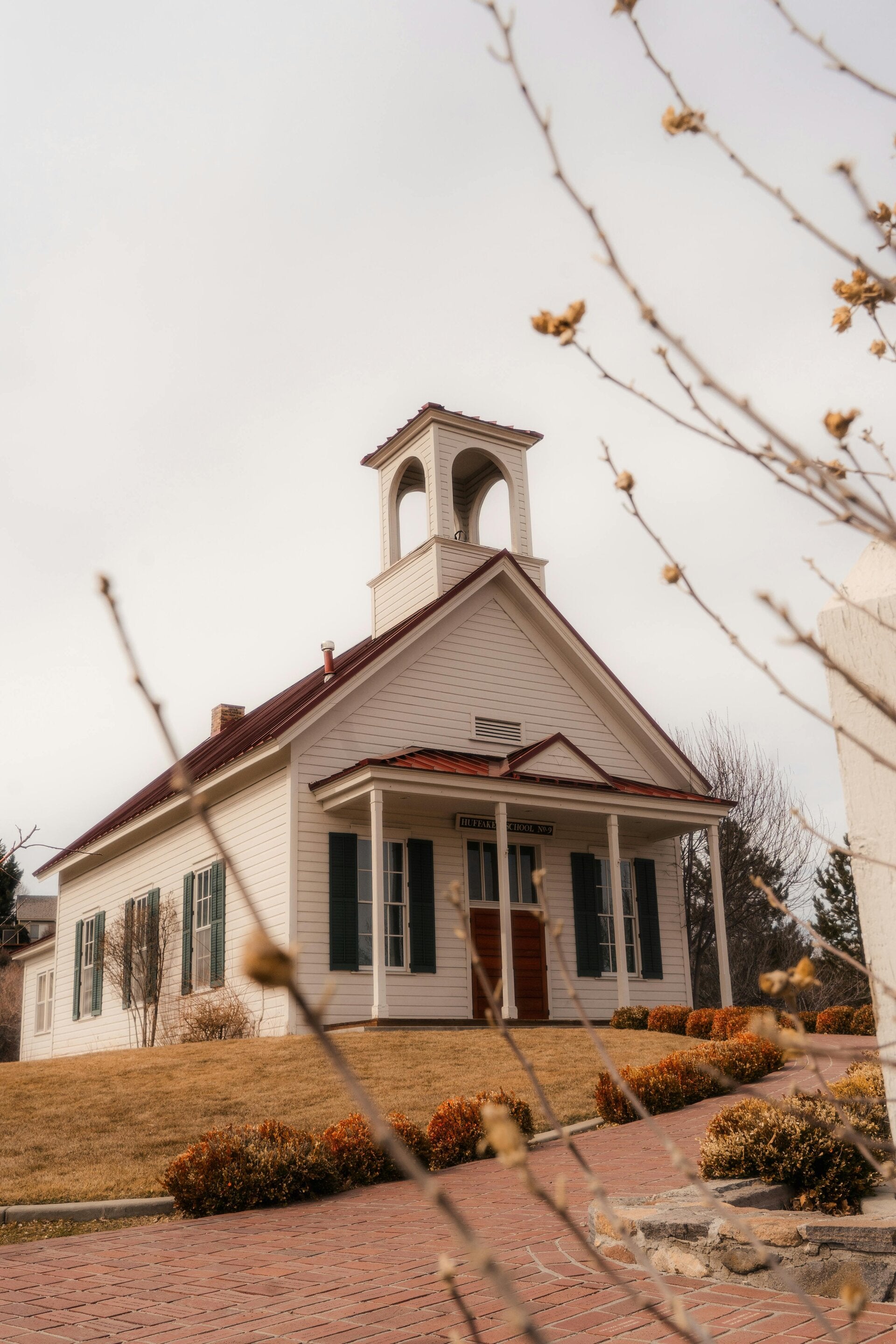
Chaos and charm in White Bluff
Journey back to White Bluff, Tennessee, in 1975, where an Eastern Star chapter prepares for a "Womanless Bride Wedding Play." What begins as a meticulously planned community spectacle spirals into delightful chaos when the town’s beloved (and very drunk) mayor and preacher, James Brown, takes the stage. His unscripted performance leaves prim-and-proper ladies scrambling, while the audience mistakes the pandemonium for intentional comedy. This legend, years later, remains a cherished local memory, a perfect blend of humor, heart, and the endearing spirit of small-town life. This story is for those who appreciate Southern fiction and the unique tapestry of Americana.

For hearts that remember home
This heartwarming narrative will resonate deeply with anyone who grew up in rural towns or close-knit communities, cherishing memories of church life, civic clubs, and local traditions. It’s perfect for readers who love warm, humorous storytelling rooted in real-life moments and character-driven stories filled with heart, memory, and community. If you're a fan of authors like Fannie Flagg, Pat Conroy, or Jan Karon, you'll find a kindred spirit in this tale. It celebrates the beautiful imperfections of small-town living, where laughter binds people together, turning ordinary days into legendary stories passed down through generations. Enjoy this trip down memory lane and the closeness of small town people.
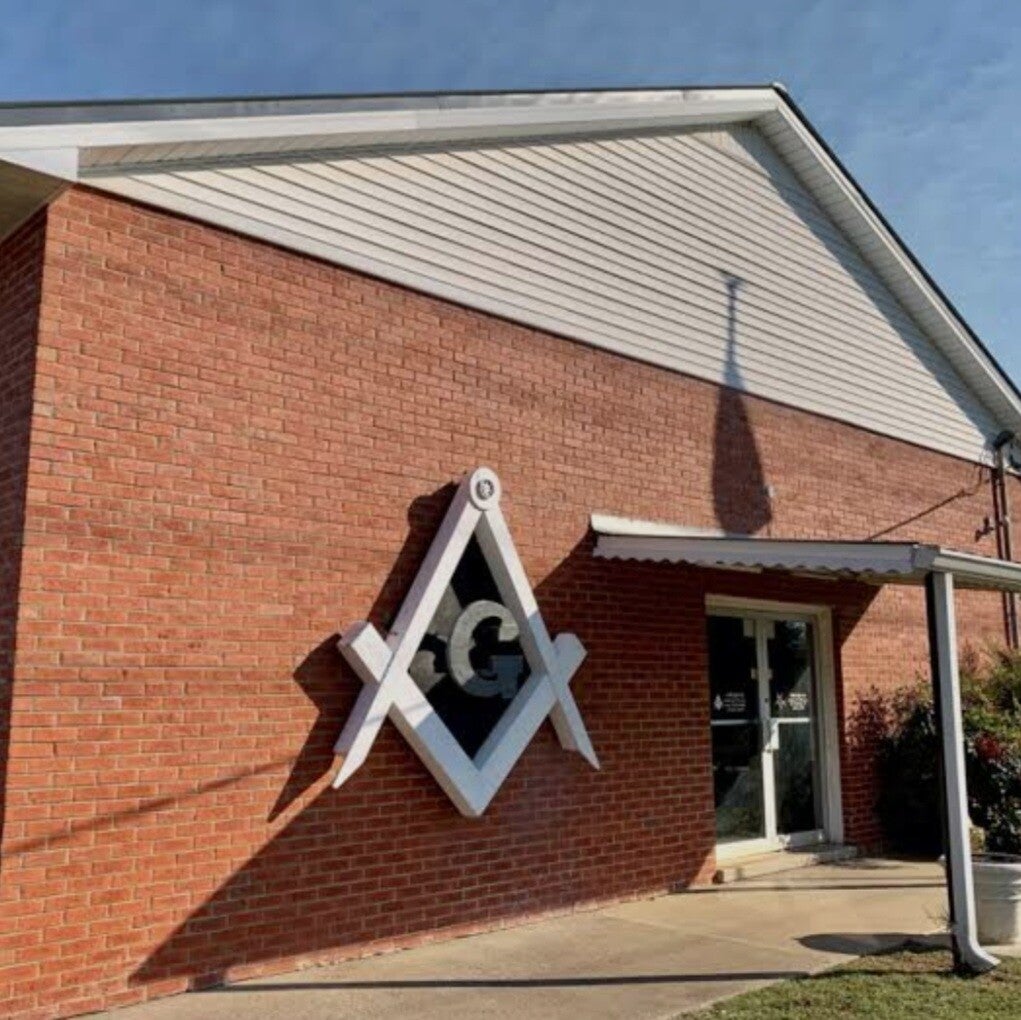
Dive into the legend
Now that you've glimpsed the charm and chaos of "The Shotgun Wedding at the Eastern Star," it's time to immerse yourself fully. This story invites you to escape into a world of small-town humor, nostalgic memories of the past, and the unique closeness that only a tight-knit community can offer. Prepare to be delighted, to remember, and to simply enjoy the unfolding tale.
The Shotgun Wedding at the Eastern Star
White Bluff, Tennessee, had a way of polishing itself up when company was coming. Lawns got mowed straighter. Porches got swept twice. Dresses were pressed until they looked stiff enough to stand up on their own. And on the morning of the Eastern Star competition in the spring of 1975, you could tell from the smell of hair spray and fried chicken drifting down Main Street that the town was trying its best to look respectable.
The Eastern Star ladies were the closest thing White Bluff had to royalty. They were the same women who ran the Garden Club, baked the pies for funerals, organized the Christmas parades, and made sure the flowers at the courthouse bloomed on schedule. They were prim, proper, and polite — the kind of women who said “Goodness gracious” instead of anything stronger, even when something truly deserved it.
And they were determined to win.
That year, the Middle Tennessee Eastern Star chapters had decided to compete in something called a Womanless Bride Wedding Play. Each chapter would perform a short comedic play — a shotgun wedding where the “bride” was played by a man — and the judges would declare the funniest and most entertaining version the winner.
White Bluff had been planning theirs for months.
They had decorations. They had music. They had food. They had costumes. And they had, in their minds, the perfect cast.
Miss Helen Carter’s husband, Billy, was the groom — a quiet, good-hearted man who could be counted on to show up on time and say his lines without causing a scene.
Mr. Jack Carson, one of the biggest men in town, was cast as the bride. He wasn’t thrilled about it, but he was a good sport, and when the ladies realized none of their dresses would fit him, they borrowed one from Miss Joy Oakley — the librarian at White Bluff High School and, by popular agreement, the biggest woman in town.
Chief Jimmy Hester and his wife LouAnn were in charge of the food, which meant there would be more than enough to feed a small army and then some.
My great-grandmother, Miss Arline Bryant, was in charge of the music and piano. She had played at more weddings, funerals, church services, and school programs than anyone could remember, and she took her role seriously — sometimes too seriously.
And the preacher?
That was my uncle, James Brown.
Now, James Brown was not just anybody. He was the mayor of White Bluff. He was also a preacher. He was a storyteller, a character, a walking contradiction — equal parts charm and chaos. He could quote Scripture one minute and a moonshine recipe the next. Folks loved him, even when they didn’t entirely trust him, and they trusted him, even when they probably shouldn’t have.
Miss Helen and the Eastern Star ladies thought James would be perfect for the role. A preacher in a shotgun wedding comedy? Who better?
The only problem was, James Brown liked his whiskey.
A lot.
Friday Night at Leatherwood Creek
James Brown had a standing Friday evening appointment that had nothing to do with church, town hall, or family dinners. Every Friday, without fail, he made his way down Leatherwood Creek to visit Leroy’s moonshine still.
Now, Leroy didn’t have a sign or a storefront. He had a clearing in the woods, a couple of barrels, a copper pot that looked like it had survived a war, and a product that could knock the breath out of your chest and the sense out of your head.
James loved it.
That Friday night, he arrived just as the sun was dipping behind the trees, painting the creek in gold and shadow.
“Evenin’, Leroy,” James called out, stepping into the clearing like he owned it.
“Evenin’, Mayor,” Leroy replied, grinning. “What’ll it be?”
“You already know,” James said, holding up his empty jar.
They sat on overturned buckets, fireflies blinking around them, the creek murmuring nearby. James took his first sip and sighed like a man who’d just come home after a long journey.
“You ever seen a deer talk?” James asked suddenly.
Leroy blinked. “Can’t say I have.”
“I did,” James said, nodding solemnly. “Over at Montgomery Bell Park. Looked me dead in the eye and said, ‘James Brown, you best leave that bottle alone.’”
Leroy snorted. “What’d you say to it?”
“I told it, ‘Mind your own business, deer. You ain’t my pastor.’”
They laughed, and James took another long drink.
“You see it again,” Leroy said, “you tell it I said hello.”
“I will,” James promised. “Matter of fact, I told it to come by the house sometime so we could finish our conversation.”
The jar got emptier. James got louder. His stories got longer. The night got later.
By the time James finally left Leatherwood Creek, he was walking with the kind of confidence that only comes from having lost all sense of balance. He sang hymns and drinking songs in the same breath, waving at trees like they were old friends.
He stumbled into bed just before dawn, still wearing his shoes, and fell asleep with a half-finished sermon and a half-finished jar on the nightstand.
Saturday Morning: Trouble on Main Street
Saturday morning came early, whether James Brown was ready for it or not.
The Eastern Star play was scheduled for 10:00 a.m. sharp.
At 8:00 a.m., Aunt Caroline was standing on her front porch, coffee in hand, when she saw James Brown coming down Main Street.
He was walking slowly, but with determination — the kind of determination that only a man who has lost a fight with gravity can muster. In one hand, he held a shotgun. In the other, a whiskey bottle.
He stopped on his own porch and began preaching to his hound dog.
“Now, Rufus,” James slurred, “I done told you, salvation is available to all — man, beast, and… and whatever else God made that we ain’t figured out yet.”
Rufus wagged his tail.
James tried to serve him communion.
Aunt Caroline set her coffee down and went inside to call Miss Helen Carter.
“Helen,” she said when Miss Helen answered, “I just wanted to warn y’all. I can’t guarantee James will be sober this morning.”
Miss Helen paused. “What do you mean, Caroline?”
“I mean he’s drunk as I’ve ever seen him,” Aunt Caroline said. “He’s trying to preach a sermon to the hound dog on his porch. Tried to serve that dog communion.”
There was a long silence on the other end of the line.
“Well,” Miss Helen said finally, “thank you for telling us.”
She hung up the phone and stared at it like it had personally betrayed her.
Panic at the Eastern Star Building
By 8:30, the Eastern Star building was already buzzing. Decorations were being straightened, food was being set out, and Miss Arline Bryant was warming up at the piano, playing scales and humming under her breath.
When Miss Helen arrived, her face was pale.
“We have a situation,” she announced.
“What kind of situation?” asked Miss Joy Oakley, adjusting a flower arrangement.
“James Brown is drunk,” Miss Helen said.
A collective gasp swept the room.
“He’s always drunk,” someone whispered.
“Yes,” Miss Helen said, “but today, he’s publicly drunk.”
At 8:45, the front door creaked open.
James Brown stumbled in.
He looked like a man who had lost a fight with a tornado and was still trying to apologize to it. His hair was wild, his tie crooked, his jacket half-buttoned. He leaned against the doorframe like it was the only thing keeping him upright.
“Well,” he said, smiling broadly, “ain’t this a fine-lookin’ congregation.”
Miss Arline rushed to him.
“James, you sit right here,” she said, steering him toward a chair. “I made cookies.”
James’ eyes lit up. “Cookies? Now that’s what I call communion.”
She handed him a cookie and a cup of coffee.
Behind them, Chief Jimmy Hester’s nephew, little Jason Larkins, watched with wide eyes.
Every time James took a bite of a cookie, Jason took a bite of his own.
Every time James took a sip of coffee, Jason took a sip of his punch.
James noticed.
“Well now,” he said, leaning toward Jason, “looks like I got me a disciple.”
Jason grinned.
“You ever seen a talking deer?” James asked him.
Jason shook his head.
“Well, I have,” James said seriously. “Montgomery Bell Park. Smartest deer you ever met. Told me to quit drinking.”
“Did you?” Jason asked.
James laughed. “Course not. But I told it to stop by sometime so we could finish our conversation. You see that deer, you tell it James Brown’s still waiting.”
“Oh, sure thing, Mr. Brown,” Jason said solemnly. “I’ll definitely get on top of that.”
Miss Helen and the other Eastern Star ladies were frantically whispering in a corner.
“We can’t have him drunk on stage,” Miss Helen said. “It’s against the rules. No alcohol on the premises.”
“We’ll get disqualified,” another woman whispered.
“We could lose our charter,” someone else said.
“We’ve worked too hard for this,” Miss Helen said, wringing her hands.
“Maybe the coffee will sober him up,” Miss Arline said, handing James another cup.
In hindsight, this was not a good plan.
James got louder.
He got friendlier.
He got… worse.
The Judges Arrive
At 9:30, the judges arrived.
Three women and one man, all dressed in proper Eastern Star attire, clipboards in hand, smiles on their faces.
Miss Helen greeted them at the door, her smile tight enough to crack glass.
“Welcome to White Bluff,” she said. “We’re so honored to have you.”
“We’re excited to see your performance,” one of the judges said. “We’ve heard wonderful things.”
Miss Helen swallowed hard.
Inside, Miss Arline’s hands were shaking as she played warm-up hymns on the piano. She hit wrong notes. Her voice cracked when she tried to sing.
The audience began to fill the room — townspeople, visitors, friends, family. Laughter and conversation buzzed through the hall.
Backstage — which was really just the side of the room behind a folding screen — Billy Carter stood nervously, adjusting his tie.
Jack Carson was already in his dress.
The dress.
It was floral. It was long. It was tight in all the wrong places and loose in all the wrong places. Jack’s broad shoulders strained against the fabric. The sleeves barely reached his elbows. The hem brushed his ankles like it was afraid of going any lower.
He looked at himself in a mirror and sighed.
“I look like a runaway couch,” he muttered.
“You look beautiful,” Miss Joy Oakley said, patting his arm. “Radiant.”
Jack did not look convinced.
Billy peeked around the screen. “Is James here?”
Jack nodded toward the chair where James was slouched, cookie crumbs on his shirt, coffee cup in hand, smiling at nothing in particular.
Billy’s eyes widened. “Oh Lord.”
The Play Begins
At exactly 10:00 a.m., Miss Helen stood at the front of the room.
“Ladies and gentlemen,” she said, her voice trembling just slightly, “welcome to the White Bluff Eastern Star presentation of our Womanless Bride Wedding Play.”
Polite applause filled the room.
Miss Arline began to play the wedding march.
The music wobbled.
Her fingers hit wrong keys. The tempo sped up, slowed down, then sped up again.
The audience chuckled.
The judges smiled and made notes.
Miss Helen’s heart sank.
James Brown stood up.
Or rather, he attempted to stand up.
He swayed.
He caught himself on the back of the chair.
He took a deep breath.
Then he staggered toward the pulpit.
The audience laughed.
The judges leaned forward.
“This is not funny,” Miss Helen whispered to herself. “This is a disaster.”
James reached the pulpit and leaned against it like it was a trusted friend.
“Well,” he said loudly, “if this ain’t the prettiest congregation I ever did see.”
More laughter.
Miss Arline’s hands shook so badly she played the wrong chord again.
James squinted at her. “Arline, you all right over there?”
“I’m fine,” she called out, voice cracking.
“Good,” James said. “Because we got us a weddin’ to perform.”
The Bride and Groom
Billy Carter stepped forward.
He looked nervous but determined, like a man about to walk into a storm with nothing but an umbrella and a prayer.
Then Jack Carson stepped out from behind the screen.
The room went silent for half a second.
Then it exploded.
Laughter rolled through the audience like thunder.
Jack’s dress strained at the seams. His wig sat crooked on his head. His makeup — applied by Miss Joy Oakley with great care and questionable results — made him look like a carnival painting of a bride.
He walked slowly, carefully, one hand clutching the side of the dress, the other waving nervously.
Billy stared at him.
Jack stared back.
James Brown squinted.
“Well, I’ll be damned,” James said. “Billy, where’d you find such an ugly bitch?”
The room erupted.
People doubled over in their seats. Someone snorted. Someone else wiped tears from their eyes.
Miss Helen nearly fainted.
Billy tried not to laugh. He failed.
Jack shot James a glare. “Now listen here, Reverend—”
James cut him off. “I ain’t talkin’ to you, sweetheart. I’m talkin’ about you.”
More laughter.
“This is a sorry sight,” James continued. “And I need a drink before preachin’ this disaster.”
Billy held up a whiskey bottle — a prop, filled with sweet tea.
“Well, Reverend,” Billy said, playing along, “here you go.”
James grabbed the bottle, unscrewed the cap, and took a long drink.
He immediately spit it out.
“Billy,” he said, wiping his mouth, “this is the worst damn whiskey I ever tasted.”
The room lost it.
Miss Helen clutched the back of a chair.
“That’s not in the script,” she whispered.
Miss Arline missed another note.
The judges were laughing so hard they could barely write.
The Shotgun Moment
James glared at the bottle.
“What kind of fool are you tryin’ to pass off sweet tea as whiskey?” he demanded.
Billy shrugged. “Doctor’s orders.”
James snorted. “Doctor don’t know what he’s talkin’ about.”
He reached down and grabbed the shotgun that had been leaning against the pulpit as a prop.
“Now,” James said, raising it, “we all know what kind of weddin’ this is.”
He fired it into the ceiling.
The sound echoed through the hall.
A piece of plaster fell.
Someone screamed.
Then, silence.
James lowered the gun and looked around.
“I now pronounce you man and… ugly,” he said solemnly, “so help me God.”
Then he collapsed.
Right there on the stage.
He didn’t trip.
He didn’t stumble.
He just… went down.
Flat on his back, arms spread wide, eyes closed, snoring softly.
The room was dead silent for two full seconds.
Then Miss Arline, bless her heart, began to play.
Not the wedding march.
Not a hymn.
She played the song she had practiced — fingers trembling, voice shaking, but playing.
The audience slowly began to clap.
Tentatively at first. Then louder. Then enthusiastically.
The judges stood up, they applauded, they laughed, they wiped tears from their eyes.
Miss Helen stared at the scene — her drunk preacher, passed out on the stage; her nervous pianist playing through wrong notes; her groom holding hands with a man in a borrowed dress — and felt something inside her break.
Not her dignity.
Not her pride.
Her fear.
Because suddenly, she realized something. The audience loved it.
The End of the Play
Billy and Jack stood there, still holding hands, unsure what to do.
Billy looked at Miss Helen. Miss Helen nodded.
Jack lifted his bouquet and waved.
The audience roared.
Miss Arline finished the song with a flourish that was half triumph, half exhaustion.
The curtain — which was really just the folding screen — closed.
Behind it, chaos erupted.
“Oh my goodness,” Miss Helen whispered. “Oh my goodness. Oh my goodness.”
“He fired a real gun,” someone said.
“He said that word,” someone else said.
“He passed out,” Miss Joy Oakley said. “He passed out in front of the judges.”
Miss Arline fanned herself. “I thought I was going to die.”
Billy peeked around the screen. “They’re still clapping.”
Jack adjusted his wig. “I feel like I just survived a natural disaster.”
James Brown snored.
Chief Jimmy Hester stepped forward and gently shook him. “James,” he whispered, “you gotta wake up.”
James groaned. “Five more minutes.”
The Judges’ Verdict
After the applause finally died down, Miss Helen gathered herself and walked to the front of the room.
“Thank you,” she said. “We hope you enjoyed our presentation.”
One of the judges stood up.
“Miss Helen,” she said, “that was the most entertaining Womanless Bride Wedding Play we have ever seen.”
Miss Helen blinked.
“Truly,” the judge continued, “we have never laughed so hard. The timing. The realism. The commitment to character.”
Another judge nodded. “That drunk preacher was a natural. He acted the part so well. He should be a real actor.”
Miss Helen felt her stomach drop.
“Oh,” she said carefully, “he’s not an actor.”
The judge smiled. “Well, he should be.”
Miss Helen forced a laugh. “He’s… our mayor.”
The judges looked impressed.
“Remarkable,” one of them said. “Just remarkable.”
They huddled together, whispered, then turned back to the room.
“It is our pleasure,” the lead judge announced, “to declare White Bluff the winner of this year’s Eastern Star Womanless Bride Wedding Play competition.”
The room erupted.
Applause.
Cheers.
Hugs.
Tears.
Miss Helen nearly collapsed into a chair. Miss Arline cried. Jack Carson curtsied. Billy laughed until his face turned red.
James Brown woke up.
“What’d I miss?” he asked.
The Secret
After the crowd left and the judges packed up, the Eastern Star ladies gathered in a small circle.
Miss Helen spoke first.
“We cannot tell them,” she said.
“Tell them what?” someone asked.
“That he was really drunk,” Miss Helen said. “We cannot tell them.”
Miss Joy Oakley nodded. “We’d lose our charter.”
Miss Arline nodded. “We’d lose our dignity.”
Chief Jimmy Hester nodded. “We’d lose our minds.”
So they made a pact.
They would let the judges believe it was all an act.
They would let the story become a legend.
They would never speak of the truth.
Except, of course, among themselves.
And to a few of us kids who had been watching, wide-eyed, from the back of the room.
Like little Jason Larkins.
Jason, who had listened to James talk about a talking deer.
Jason, who had watched him eat cookies and drink coffee.
Jason, who had seen him stumble onto the stage and fall flat on his back.
Jason, who would grow up telling the story.
And like me.
Years Later
Years passed. James Brown sobered up — some — then didn’t — then did again. He remained mayor for a while longer, preached a few more sermons, told a few more stories, drank a few more jars, and eventually became one of those men people talk about in past tense with a mix of laughter and sadness.
Miss Helen grew older, but she never missed an Eastern Star meeting.
Miss Arline kept playing the piano until her hands finally wouldn’t let her anymore.
Jack Carson never lived down that dress.
Billy Carter never forgot that day.
And the Eastern Star ladies of White Bluff never told the judges the truth.
Not officially.
But in small-town ways, the story slipped out — in laughter, in half-whispers, in memories told on front porches and in church foyers and around kitchen tables.
“He was really drunk, you know.”
“I heard he fired a real shotgun.”
“I heard he passed out cold.”
“I heard they almost got disqualified.”
“I heard they almost lost their charter.”
And every time, the story grew.
But the heart of it stayed the same.
Because what really happened that day wasn’t just a drunken preacher stumbling onto a stage.
It was a town, desperate not to lose face, discovering that sometimes the thing you fear the most becomes the thing people love you for.
It was a group of prim and proper ladies, trying to protect their reputation, accidentally creating the funniest play Middle Tennessee had ever seen.
It was a reminder that small towns survive not because everyone behaves, but because everyone belongs — even the ones who cause trouble.
Especially the ones who cause trouble.
The Last Memory
I still remember the way James Brown looked when he woke up backstage after the applause.
He blinked.
He rubbed his eyes.
He looked around at the women fanning themselves, the men laughing, the children staring. “Well,” he said, sitting up slowly, “did I preach a good sermon?”
Miss Helen sighed. “James.”
Miss Arline laughed. “You preached something.”
He grinned. “Did they get saved?”
Billy laughed. “No, James. But they sure got entertained.”
James nodded thoughtfully. “Well, that’s almost the same thing.”
Then he looked at Jason.
“Hey, son,” he said. “You ever see that deer?”
Jason shook his head.
“Well,” James said, “you see it, you tell it I finally did what it asked.”
Jason tilted his head. “What’s that, Mr. Brown?”
James smiled. “I put on one hell of a show.”
And somewhere in White Bluff, Tennessee, if you listen long enough — at a funeral dinner, a church potluck, a Garden Club meeting, or an Eastern Star gathering — you might still hear someone say:
“Did you ever hear about the time James Brown performed a shotgun wedding play?”
And someone else will laugh.
And someone else will say:
“That drunk preacher was a natural.”
And somewhere, somehow, the town will still be smiling — not because everything was perfect, but because it never was, and that’s what made it beautiful.
~Shane Bryant
Create Your Own Website With Webador